

Members of the Government Administrations and Election Committee (GAE) voted on February 11 to raise several bill concepts that, if passed, would likely impact the Freedom of Information Act (FOIA). The bills were raised as part of a slate of over two dozen concepts that have not yet been fleshed out into written bills. Several concepts did not include any indication of what eventual bills may contain.
Among the FOIA-related bills GAE members voted by voice vote to raise was a concept related to the ability to FOIA ballots. GAE co-chair Sen. Mae Flexer, D-Windham, said the bill will look “at the security and privacy of ballots” and whether or not FOIA has a “gray area” around access to those documents.
Last year, the Freedom of Information Commission (FOIC) heard a case involving a FOIA request for sample ballots and in-person ballots used to test voting tabulators at a June 2024 Colchester budget referendum. The FOIC ruled the ballots must be turned over to requester Jason LaChapelle. While ballots cast in elections are generally exempt from FOIA, the FOIC found that Title 9, the chapter of state statute that governs state elections, did not apply to the request because the referendum was not held in conjunction with any other state or local election.
Despite an initial ruling in LaChapelle’s favor, the FOIC voted to return the matter to the hearing officer because Colchester officials asked for a delay to allow the Secretary of the State’s (SOS) office to weigh in. At the time the decision was adopted, they had just reached out to the SOS. But while the SOS angered the commission by sending an emailed memo questioning their decision, they never moved to intervene in the case.
The FOIC ultimately again ruled in LaChapelle’s favor and, despite protests that they feared legal trouble as a result of turning the ballots over, Colchester did not appeal the decision and turned the ballots over to LaChapelle.
GAE also voted to raise a second bill, referenced on the meeting agenda as “An Act Concerning Freedom of Information.” Flexer said the committee has “received a variety of different proposals” related to FOIA and the bill “will become a place where some of those proposals will come forward.”
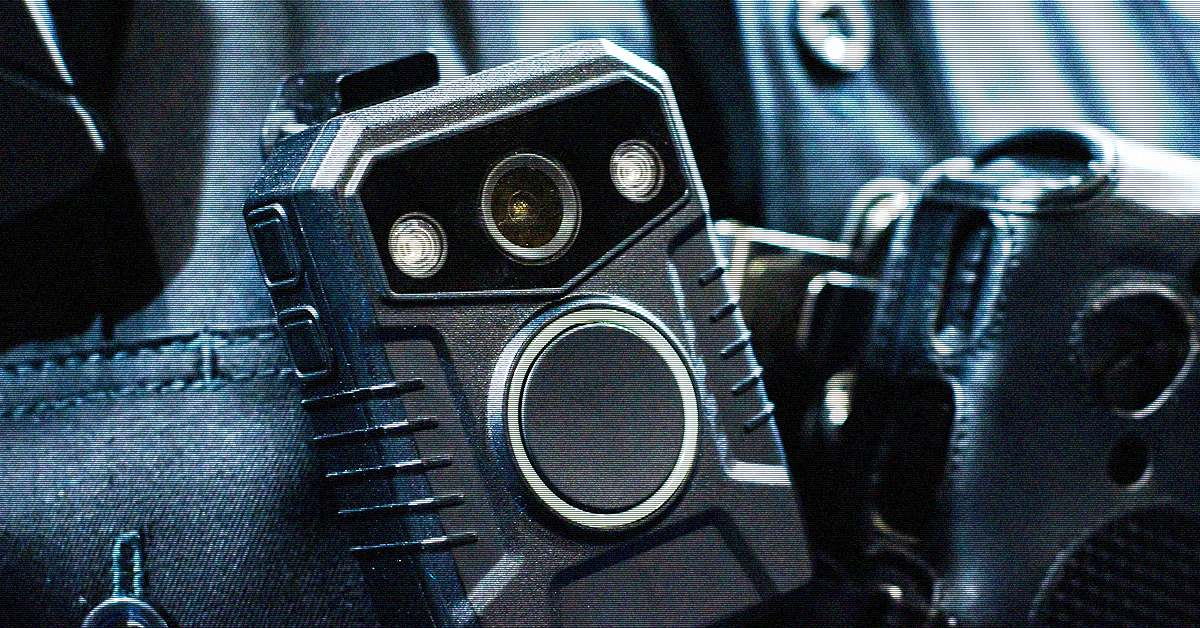
GAE also voted to raise a third bill relating to law enforcement’s ability to charge fees for redacting footage from body-worn and dash cam footage. Similar bills have appeared in multiple previous legislative sessions but have not made it to final passage. Law enforcement officials have been the primary proponents of the bill, arguing that having the ability to charge for time officers spend redacting footage will facilitate requests.
During the previous legislative session, the bill would have allowed law enforcement to charge requesters up to $100 per hour for each hour of video requested. The first hour of labor would have been provided at no cost and agencies would not have been able to charge more than the hourly salary of the lowest-paid employee who worked on the request for any additional time needed to redact video.
The bill also specified that agencies could not charge requesters for time spent searching for responsive records or for the fees of any attorney who reviews redactions. It also waived fees for any individual involved in the footage requested, for their parent or guardian, or for an attorney representing a client in a civil or criminal matter.
The FOIC, which had opposed previous versions of the bill, including a 2023 version of the bill that expanded exemptions requiring the redaction of footage, supported the 2025 bill.


